
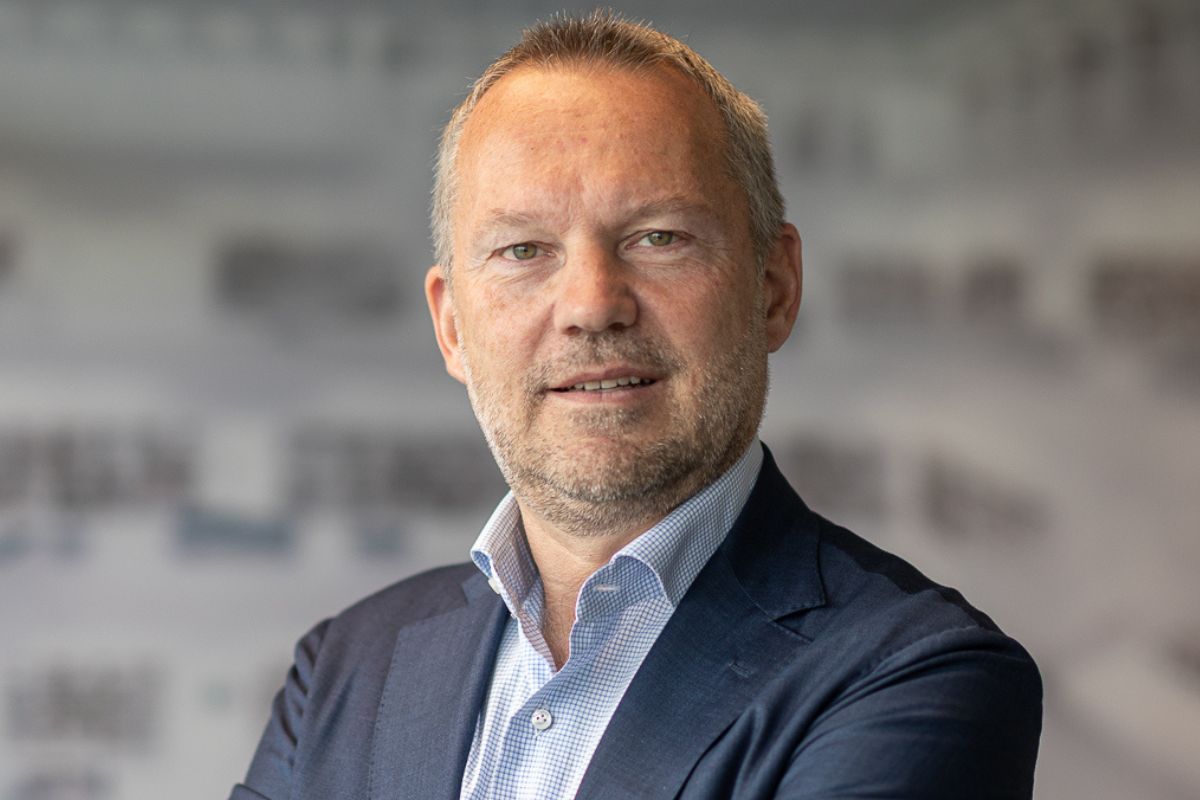
At the FER’s back-to-business event, I listened to Arnaud Bürgin speak about the loneliness of the entrepreneur and the challenges that mark a company’s journey. Unsurprisingly, the Swiss business environment is indeed one of chronic instability, complicated by legislation and customs agreements, exposed to dumping, and confronted with the paradigm shift brought about by artificial intelligence. Despite all this, our country continues to produce high-quality, creative, and inspired companies and brands. I cannot say for certain what makes them successful. Nevertheless, more than four years after taking the helm at BATIVERT, I can modestly attest to the strategic choices we ourselves have made to boost our business and earn the trust of a new clientele.
As obvious as it may seem, we must never forget that business—in the broadest sense of the term—must first and foremost be based on a relevant response to a need. The construction industry adds a specific requirement to this: the need for technical, financial, quality, and time-related guarantees. And that is precisely where I wanted to position BATIVERT, by offering a crucial guarantee: that of objectivity. Whether acting as a client’s advisor or a project manager, BATIVERT operates in a completely independent manner, focused on the client’s best interests.
Objectivity and expertise
BATIVERT’s business has grown significantly. The nature and scope of the projects entrusted to us have evolved. Our teams have been strengthened with experienced and complementary professionals capable of working on new construction, conversion, and energy-efficient renovation projects, as well as on projects with very high standards. We carefully select our partners and independently advocate for our clients’ interests, with one constant goal: to achieve the best balance between quality, cost, and fulfillment of contractual commitments.
The Proper Use of Complexity
I believe that a high-performing company must be able to absorb greater complexity without passing it on to its clients or placing the burden on its employees. In my view, this is one of the real challenges facing management today. We must be able to handle larger, more complex, and more diverse projects while preserving what defines us: a close relationship with our clients, an intimate knowledge of the French-speaking region of Switzerland, short decision-making chains, and, above all, experienced professionals who take personal ownership of their responsibilities. Technology will obviously play a role in this evolution. Artificial intelligence, in particular, will profoundly change the way we work. It will enable us to analyze data more quickly, automate certain tasks, make better use of information, and likely make certain processes even more secure. We must embrace it.
But I am also convinced that the more powerful our tools become, the more the human value of our professions will make the difference. Understanding a client, mediating a complex situation, anticipating a problem, reconciling differing interests, and sensing that a solution that is theoretically sound will not work in practice—these things still require experience, discernment, and responsibility.
It is in this balance that I see the future of BATIVERT SA: we want to deepen our expertise, enhance the quality of our organization, and strengthen our ability to provide the right solutions to increasingly complex challenges. Leading a company is undoubtedly about this: accepting uncertainty without straying from our course.
At BATIVERT, our mission is clear: to bring together the right expertise, maintain our independence of judgment, and earn our clients’ trust, project after project.
Bertrand Duckert
, Chief Executive Officer